Building and Scaling a Team
My leadership philosophy is simple - hire great people, provide clear guardrails, empower them to find the best solution and to act on their decision. I believe high-performing teams thrive when expectations are clear, communication is open, and individuals are trusted with the responsibility of ownership.
As a leader, I aim to create environments where people feel supported but challenged, and connected to shared business and team goals. I care deeply about culture because teams do their best work when they feel valued and understand how their work contributes to the broader business strategies and wins.
Want to hear it right from the horse’s mouth? You can read real reviews of my leadership style from my team and colleagues here.
Recruitment
Leadership
Development & Training
Team Culture
Recruitment Leadership Development & Training Team Culture
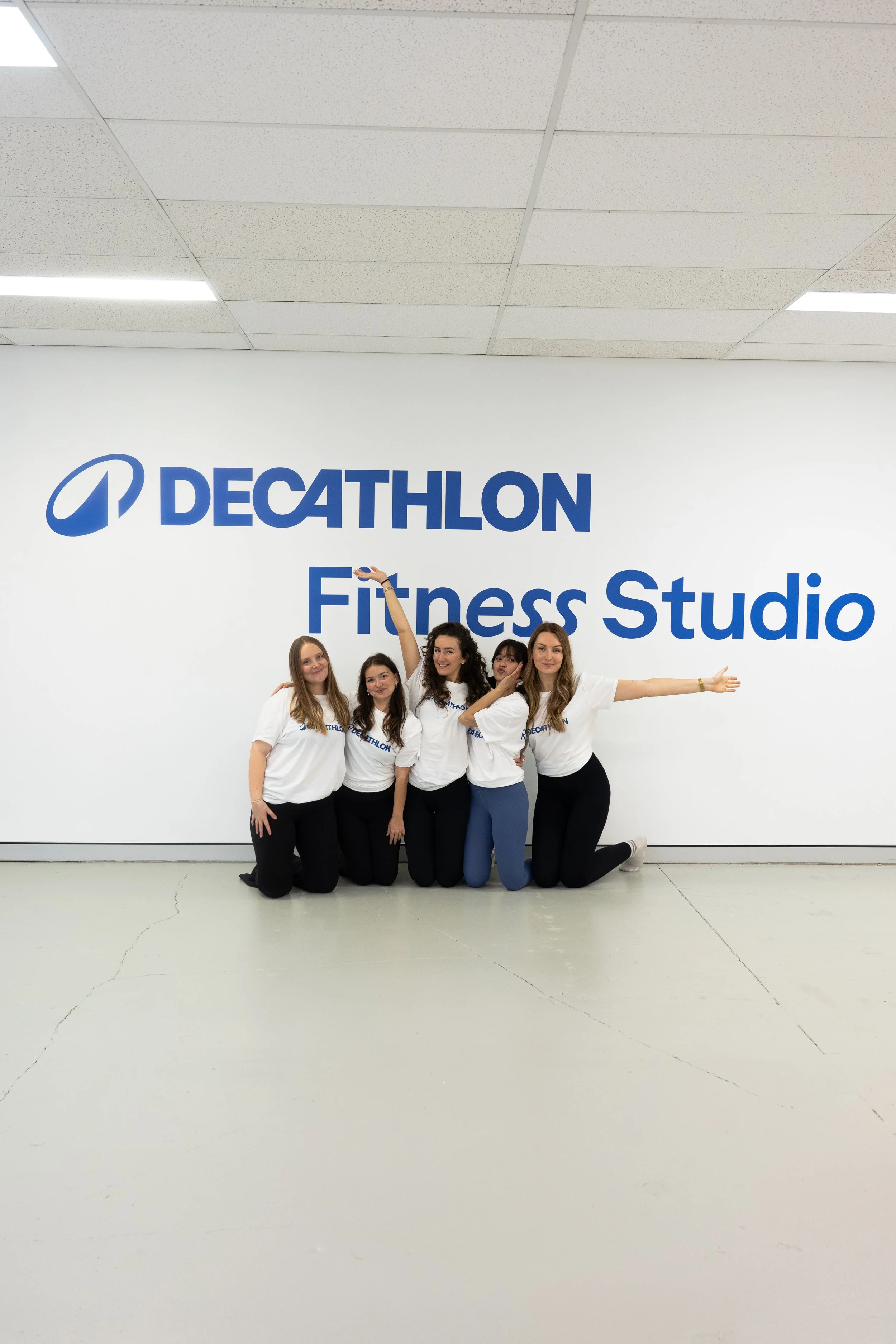
The Context
When I joined Decathlon Australia, the marketing function was undergoing significant change.
On my first day, the Marketing Manager departed, followed by the CRM Manager shortly after, leaving a lean function consisting of just a graphic designer and with immediate campaigns to deliver.
The internal business culture left a lot to be desired and on internal surveys just 44% of the overall service team reporting “happiness at work”.
This presented a unique opportunity for me to step up into lead the marketing function, and not simply to fill roles, but to redesign my hiring around future business needs, customer expectations, and long-term growth.
Over the following 4 years, I built, led and developed a multidisciplinary marketing team spanning CRM, social media, content, partnerships, PR & paid media, while partnering closely with commercial, retail, digital, and customer service teams across the business. At the end of my tenure, the internal survey was 91% “happiness at work” - an improvement of +106%.
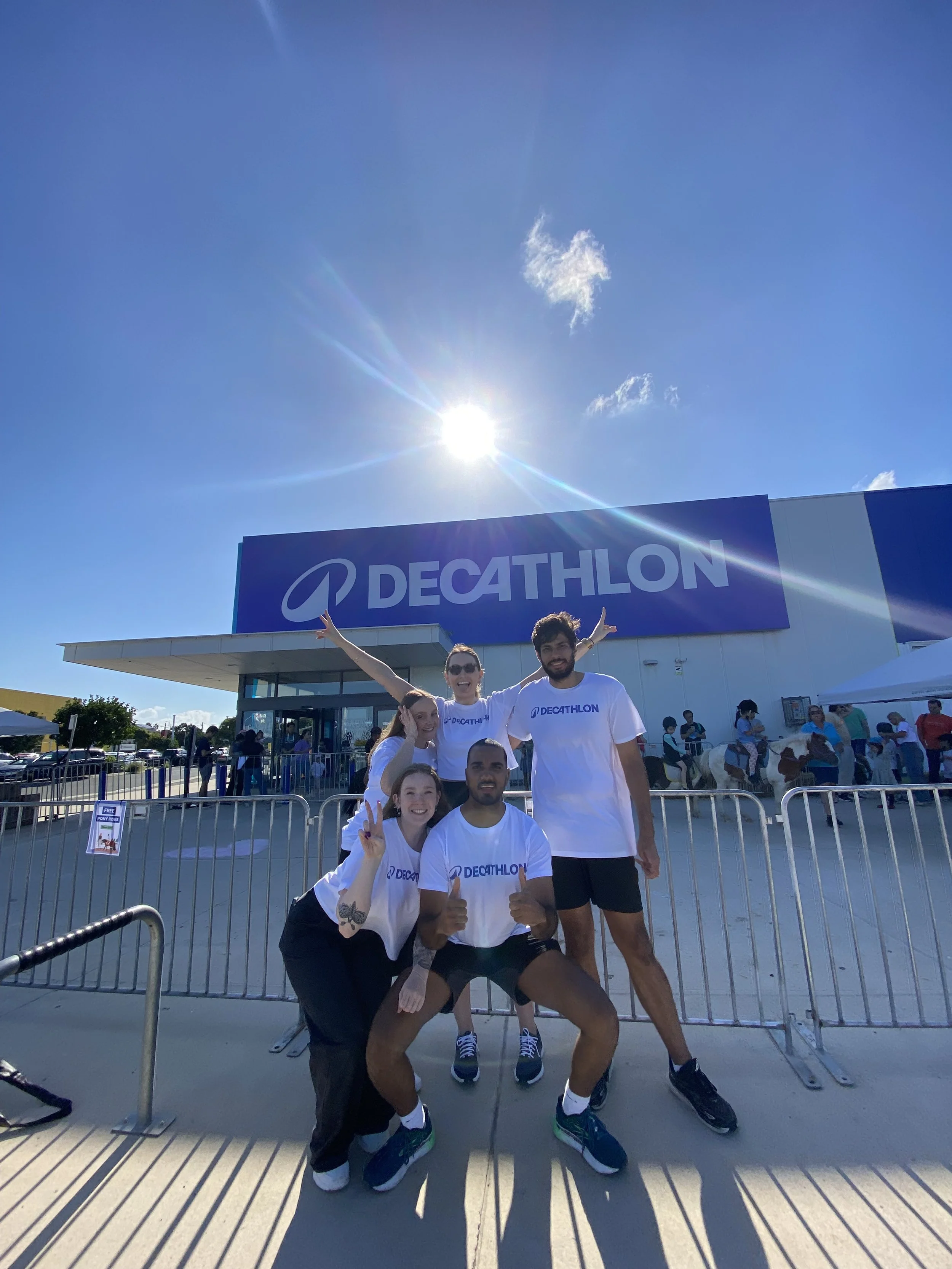
Building The Right Team
My approach to hiring has always prioritised attitude, curiosity, and cultural contribution alongside technical capability. Skills can be developed; however, mindset, ownership, and collaboration are far harder to teach and have a huge impact on the culture of the team, as well as output and results.
One of my first hires was for a strong CRM. While relatively junior at the time, she demonstrated strong potential, commercial thinking, and a customer-first mindset. Through coaching, increased responsibility, and clear development pathways, she progressed into an expanded leadership role as the CRM function grew in strategic importance to the business. This strategy saw our CRM database grow by 114%, and it became our second top performing channel for traffic and revenue behind organic search. We improved retention, frequency of purchase and customer lifetime value for both online ecommerce store and the physical retail locations.
To me it was important to shift towards consumer focused branding and socials and away from only price focussed messaging, so I hired our first social and content manager, which saw 102% growth of followers and boosted engagement and non-follower views of content. We also launched our UGC ambassador program for social content, where we collaborated with 79 creators, expanding our social reach and trust with social proof.
Lastly, with consumer brands I saw that the trend was moving towards in person and experiential marketing, so I added a “partnerships and events coordinator” to our team to capitalise on this. We created a bi-weekly run club with over 200 members, community national park hikes, and had a stronger capacity to launch new store openings. This role also made it possible to provide training and support to local store marketing referents to run their own activations to boost traffic and revenue and following brand guidelines to ensure consistency and customer satisfaction.
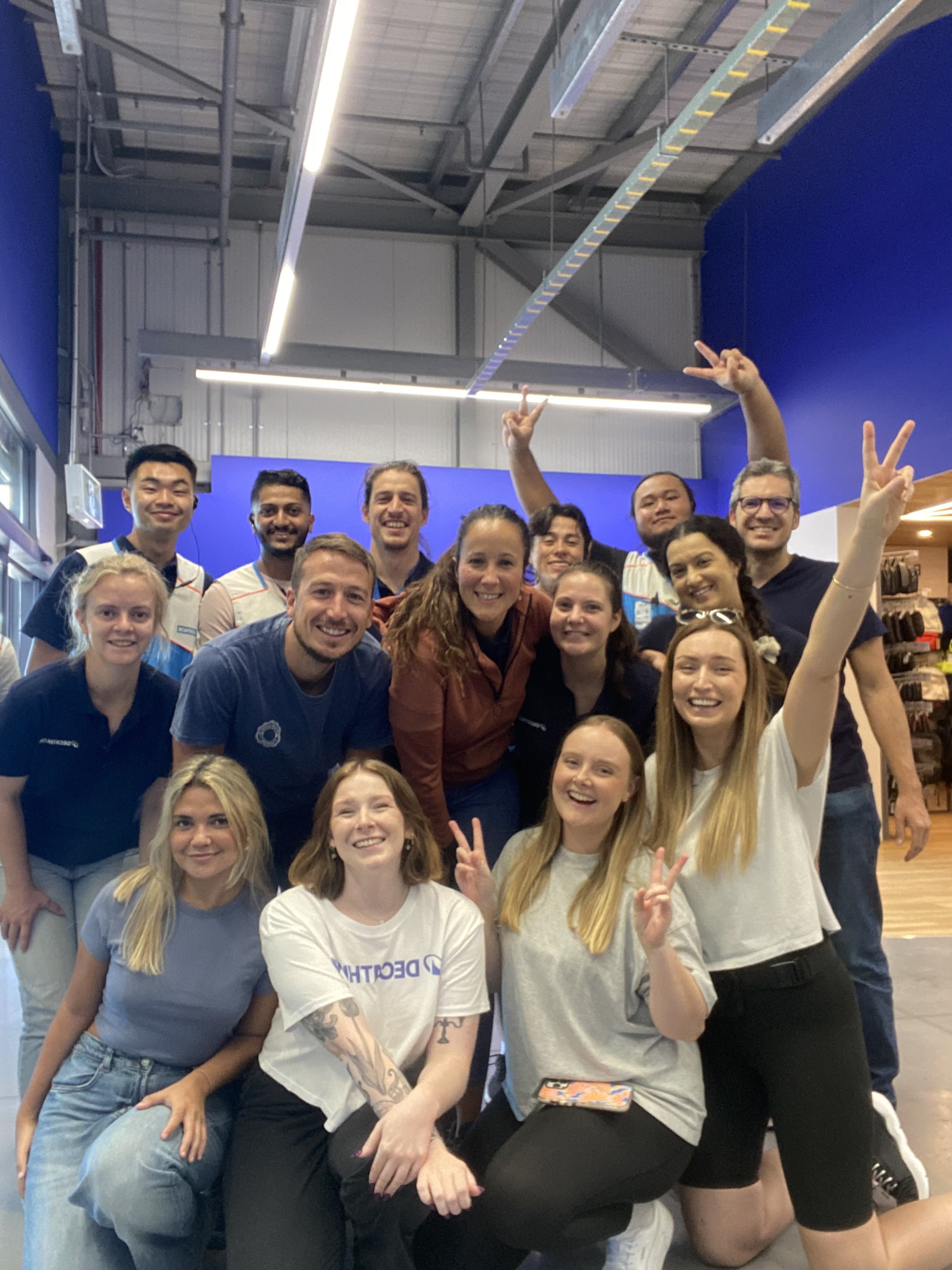
Creating Cross-Functional Ways Of Working
No department operates in a silo. Some of our strongest outcomes came from building deep partnerships across the internal organisation to improve communication, relationships, and efficiency.
We worked closely with the digital team to improve customer journeys and e-commerce experiences, collaborated with the commercial team on growth opportunities, and partnered with store teams nationally to localise campaigns and bring the brand to life in physical retail environments, while driving traffic and revenue from their local catchment.
Marketing representatives within retail stores became important extensions of the brand, ensuring consistency while enabling local activation, so we recruited existing teammates to drive our national initiatives locally in store. This cross-functional approach allowed marketing to become a strategic business partner rather than simply a service function separate to the stores.
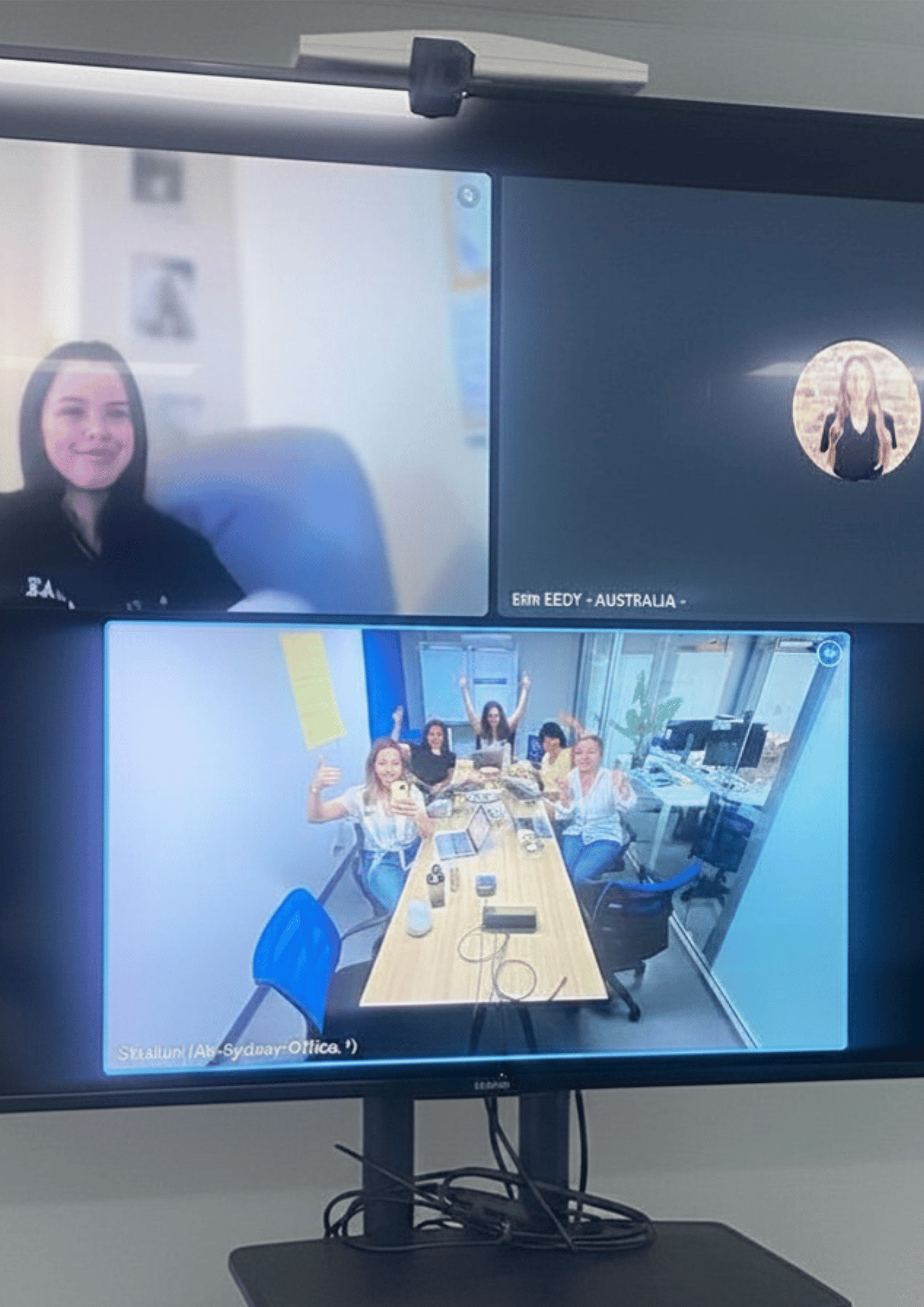
Agency & Partner Leadership
Alongside the internal team, we needed to fill specialised functions of PR/media and performance marketing, and external agencies made the most sense from a budget and output perspective.
Recognising changing customer behaviours, we evolved our media communications approach from a primarily business focus, toward a more consumer-led strategy. This included tendering for and selecting specialist agency partners better aligned to our growth ambitions and implementing a clearer press office and campaign model.
The result was stronger brand visibility, increased earned media opportunities and more strategic storytelling aligned to customer interests.
Performance marketing was being managed by a “big name” agency when I came onboard, however I found they struggled to be as dynamic as we required. We tendered for and selected a much smaller agency, which felt much more like an internal team. From this onboarding we saw our paid media efficiency (MER) grow from 3.0 across eCommerce campaigns to 5.2.